📞  — free, 24/7
— free, 24/7 — free, 24/7| Package | Price per Dose | Price | |
|---|---|---|---|
| 360 pills | C$1.30 | C$585.61 C$468.49 Free shipping | |
| 180 pills | C$1.42 | C$318.31 C$254.65 | |
| 120 pills | C$1.56 | C$233.26 C$186.61 | |
| 90 pills | C$1.67 | C$187.09 C$149.67 | |
| 60 pills | C$1.87 | C$140.92 C$112.73 | |
| 30 pills | C$2.22 | C$82.60 C$66.08 | |
| 360 pills | C$2.60 | C$1,171.25 C$937.00 Free shipping | |
| 180 pills | C$2.80 | C$629.35 C$503.48 Free shipping | |
| 120 pills | C$3.07 | C$461.68 C$369.34 Free shipping | |
| 90 pills | C$3.27 | C$366.91 C$293.53 Free shipping | |
| 60 pills | C$3.40 | C$255.13 C$204.10 | |
| 30 pills | C$3.64 | C$136.06 C$108.85 | |
| 10 pills | C$4.06 | C$51.01 C$40.80 |
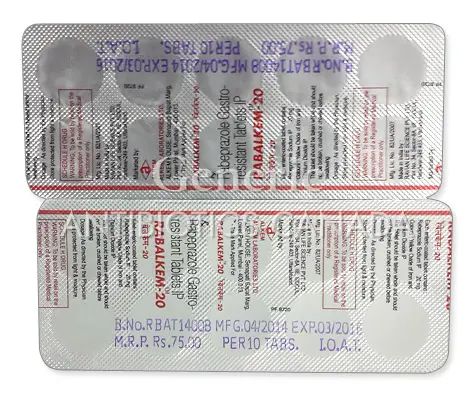
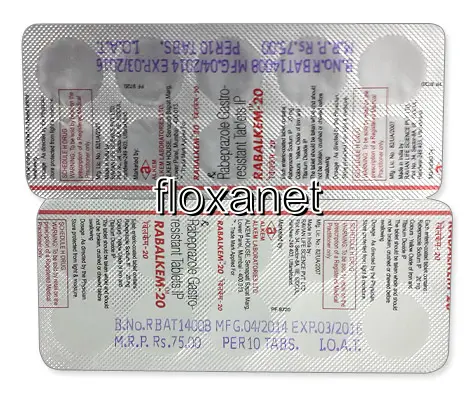
Rabeprazole is a medication that belongs to the class of proton pump inhibitors (PPIs). It is commonly used to treat conditions related to excessive stomach acid production. People often turn to Rabeprazole to manage symptoms and conditions such as gastroesophageal reflux disease (GERD), Zollinger-Ellison syndrome, and gastric ulcers. Its primary function is to reduce the amount of acid produced in the stomach, helping to relieve discomfort and promote healing.
The effectiveness of Rabeprazole lies in its ability to block the proton pumps in the stomach lining that produce acid. Once administered, it rapidly binds to these pumps, preventing them from secreting acid into the stomach. This action leads to a significant decrease in stomach acidity. As a result, symptoms like heartburn, indigestion, and acid reflux are alleviated. The medication usually begins to work within a few hours, providing rapid relief for many users.
Rabeprazole is primarily prescribed for conditions caused by or worsened by excess stomach acid. It provides effective relief from symptoms such as acid reflux, indigestion, and stomach ulcers. For individuals suffering from GERD, Rabeprazole can significantly reduce the frequency and severity of heartburn episodes. It is also beneficial in preventing ulcer formation in high-risk patients and aiding in the healing of existing ulcers. Because it acts quickly and is generally well tolerated, many find it an essential part of their treatment regimen.
While Rabeprazole is effective, it may cause side effects in some users. Common adverse reactions include headache, nausea, diarrhea, or constipation. Serious side effects are rare but can occur, such as allergic reactions, liver enzyme changes, or inflammation of the intestines. It is important for users to inform their healthcare provider about any pre-existing conditions or medications they are taking to avoid potential interactions. Long-term use of Rabeprazole should be monitored by a physician, as prolonged suppression of stomach acid can sometimes lead to nutrient deficiencies or increased risk of infections.
Rabeprazole is usually taken once daily, preferably before a meal for optimal effectiveness. The dosage depends on the specific condition being treated and the patient’s overall health. It is essential to follow the healthcare provider’s instructions and not to modify the dose without consultation. The medication is available in tablet form and should be swallowed whole with water. Consistency in taking the medication as prescribed helps ensure the best therapeutic outcome.
Overall, Rabeprazole is regarded as a safe and efficient medication for controlling excessive stomach acidity. Its quick onset and effective symptom relief make it a popular choice among patients and healthcare providers alike. As with all medications, proper usage and medical supervision are vital to maximize benefits and minimize risks. When used appropriately, Rabeprazole can improve quality of life by alleviating uncomfortable symptoms linked to acid-related gastrointestinal disorders.
14–21 days. Free from C$280.12 .
5–9 days. C$42.02
−10% when paying with cryptocurrency.
−10% on all repeat orders.
All orders are packed in neutral, unbranded boxes with no product name on the outside.