📞  — free, 24/7
— free, 24/7 — free, 24/7Medications and aids for managing migraine attacks and associated symptoms such as headache, nausea and light sensitivity. Includes OTC pain relievers, prescription migraine-specific drugs (triptans, antiemetics), preventive therapies, and supportive products like cooling patches and supplements.
Medications and aids for managing migraine attacks and associated symptoms such as headache, nausea and light sensitivity. Includes OTC pain relievers, prescription migraine-specific drugs (triptans, antiemetics), preventive therapies, and supportive products like cooling patches and supplements.
Migraine medicines are drugs used to treat the attacks and symptoms associated with migraine headaches as well as to reduce their frequency in people who experience recurrent or chronic episodes. The category covers both short-term therapies taken during an attack to relieve pain and associated symptoms such as nausea and light sensitivity, and longer-term preventive treatments designed to lower the number or severity of future attacks. Products range from over-the-counter pain relievers to prescription-only drugs with specific mechanisms targeted at migraine biology.
Typical situations for using these medicines include treating an established migraine attack, managing severe nausea or vomiting that accompanies some migraines, and preventing frequent or disabling migraines when episodic measures are not sufficient. Some medicines are intended for immediate relief and are taken only when an attack begins, while others are taken regularly as a preventative strategy. Different formulations and routes of administration address varying needs, such as rapid onset for sudden attacks or non-oral options when nausea is present.
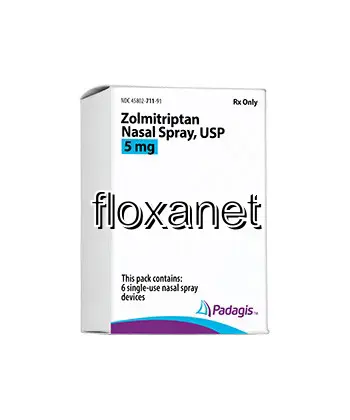
The category contains several groups of medicines. Acute pain-relief options include simple analgesics and nonsteroidal anti-inflammatory drugs (for example, paracetamol/acetaminophen, ibuprofen, naproxen). Triptans are a commonly used class specifically developed for migraine (examples include sumatriptan, rizatriptan, zolmitriptan and eletriptan). Ergots such as ergotamine or dihydroergotamine are older specific agents. For accompanying nausea, antiemetics like metoclopramide or domperidone are sometimes used. Preventive therapies include beta-blockers (propranolol, metoprolol), anticonvulsants (topiramate, valproate preparations), and certain antidepressants (amitriptyline). Newer preventive options targeting the calcitonin gene‑related peptide (CGRP) pathway and small-molecule oral agents known as gepants are also part of the modern therapeutic landscape (for example, monoclonal antibodies such as erenumab, fremanezumab, galcanezumab and oral agents such as rimegepant and ubrogepant).
Safety considerations vary by medicine class and individual health status. Side effects commonly reported across different products include gastrointestinal upset, dizziness, drowsiness or changes in blood pressure, while more specific risks can apply to particular drug classes. Some medications are associated with interactions with other drugs or are not suitable for people with certain cardiovascular, liver or kidney conditions, and frequent use of acute headache medicines can paradoxically lead to increased headache frequency in some people. Information about contraindications, interactions and side-effect profiles is provided on product leaflets and regulatory summaries relevant to each medicine.
Formulation and delivery method influence how people use migraine medicines. Options include oral tablets or dissolvable tablets, nasal sprays, subcutaneous injections and intravenous preparations for acute severe attacks. Preventive medicines are usually taken on a fixed schedule and may be oral daily tablets or periodic injections, while acute treatments are typically taken as needed at the first sign of an attack. Choice of formulation often depends on how quickly relief is needed, whether nausea prevents swallowing, and personal tolerance for injections or oral therapy.
When comparing products, consumers commonly weigh efficacy for pain relief and return to usual activities, speed of onset, likelihood and type of side effects, dosing frequency and convenience, and compatibility with other medicines or medical conditions. Regulatory status, whether a medicine is available over the counter or by prescription, and formulation options are also important practical considerations. Product information, approved summaries and trusted information sources describe intended use and safety characteristics for each medicine in this category.