📞  — free, 24/7
— free, 24/7 — free, 24/7Medications and products for preventing and treating osteoporosis and low bone density, including prescription bone‑strengthening drugs (bisphosphonates, denosumab), calcium and vitamin D supplements, fracture‑support aids, and bone health monitoring tools.
Medications and products for preventing and treating osteoporosis and low bone density, including prescription bone‑strengthening drugs (bisphosphonates, denosumab), calcium and vitamin D supplements, fracture‑support aids, and bone health monitoring tools.
Osteoporosis medicines are medications and supplements used to influence bone strength and reduce the risk of fractures. They address the biological processes that control bone formation and breakdown, aiming either to slow bone loss, stimulate new bone formation, or provide the minerals and hormones needed to maintain bone health. People encounter this category when managing low bone density, age-related bone changes, or conditions that increase the risk of fractures. The products range from simple mineral supplements to prescription treatments designed to alter bone metabolism.
Common uses include preventing fractures in people with reduced bone density, treating confirmed osteoporosis, and managing specific conditions that cause bone loss such as long-term steroid use or hormonal changes after menopause. Some medicines are taken long term to maintain bone density, while others may be used for a defined treatment period to rebuild bone. In many care plans, drug therapy is combined with lifestyle measures such as dietary adjustments and weight-bearing activity, so the medications are typically one part of an overall strategy to reduce fracture risk.
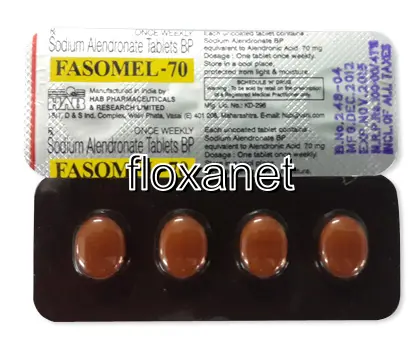
Medications in this category fall into several types. Calcium salts, for example calcium carbonate, supply an essential mineral that bones need. Vitamin D and its analogues—such as alfacalcidol and calcitriol—help the body absorb and use calcium effectively. Antiresorptive agents, including bisphosphonates like alendronate, act to slow the breakdown of existing bone. Other classes sometimes used in bone health include selective estrogen receptor modulators, parathyroid hormone analogues, and monoclonal antibodies; each works by different mechanisms and may be chosen based on individual medical factors. Products are available in different formulations and routes, from oral tablets and liquids to injections or infusions for particular therapies.
Safety considerations for osteoporosis medicines vary by drug class and individual health status. Side effects range from mild gastrointestinal symptoms with some oral therapies to alterations in blood calcium levels with vitamin D analogues. Some antiresorptive treatments have been associated with rare but serious effects when used long term, and certain medications may require monitoring of kidney function or blood calcium. Absorption and effectiveness can be influenced by other medicines, supplements, and meal timing, and different formulations carry different tolerability profiles. Because of this variability, medical oversight and periodic assessment are commonly part of treatment courses.
When choosing a product in this category, users often look for the type of medication that matches their clinical needs, the route and frequency of dosing (daily tablets versus weekly pills or periodic injections), tolerability, and how a medicine fits with other therapies they are taking. People also commonly check for availability of generic options, formulation preferences (tablets, chewables, liquids), and any monitoring requirements associated with particular treatments. Reliable information about what a medicine is intended to do, common side effects, and how it fits into a broader care plan helps consumers make informed choices about bone-health therapies.