📞  — free, 24/7
— free, 24/7 — free, 24/7Products for muscle growth, strength and recovery, including protein powders, creatine, amino acids, pre-workout formulas, weight gainers and recovery aids. Also joint support, performance vitamins and meal supplements for training nutrition and exercise goals.
Products for muscle growth, strength and recovery, including protein powders, creatine, amino acids, pre-workout formulas, weight gainers and recovery aids. Also joint support, performance vitamins and meal supplements for training nutrition and exercise goals.
Bodybuilding as a pharmacy category groups medications and hormone-related products that are associated with changes in muscle mass, strength, recovery and body composition. The focus is on agents that act on the endocrine system or influence the metabolic processes that affect muscle tissue and physical performance. Products in this grouping are different from basic vitamins or supplements because they often contain active pharmaceutical ingredients with measurable effects on hormones and physiology.
Common use cases for items in this category include supporting recovery after intensive training, addressing hormonal imbalances that affect muscle development, and managing side effects that can occur when manipulating hormone levels. Some consumers explore these medicines as part of a planned regimen for short-term changes in body composition, while others encounter them when being treated for low testosterone or other clinical conditions that also impact strength and energy.
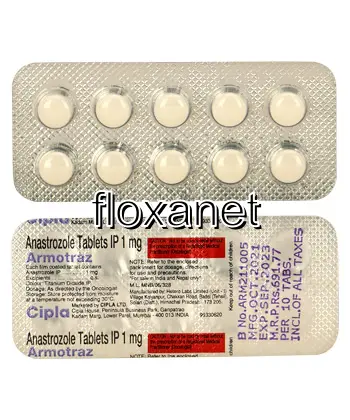
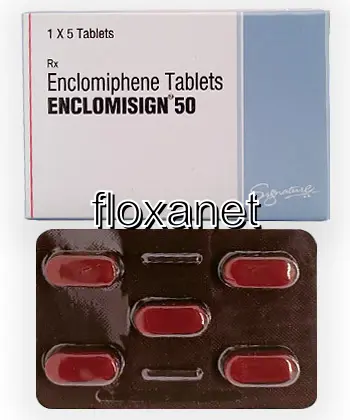
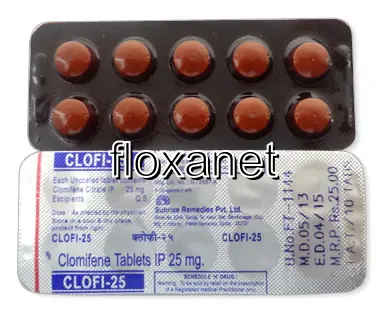
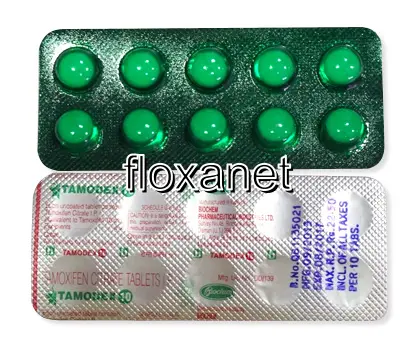
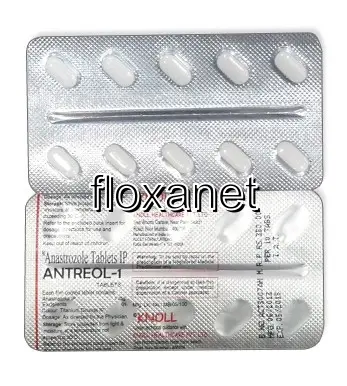
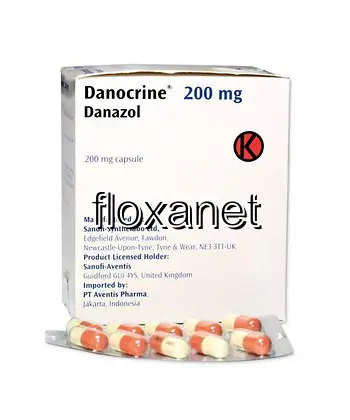
Types of medications found here span several classes. Topical testosterone preparations, such as testosterone gels, are used for systemic hormone replacement or support. Selective estrogen receptor modulators (SERMs) such as clomiphene (Clomid, Serophene) and tamoxifen (Nolvadex) appear because of their effects on estrogen signalling and fertility parameters. Aromatase inhibitors like anastrozole (Arimidex) are represented for their role in modifying estrogen production. Other products that alter androgen pathways or gonadotropin signalling, including names such as AndroGel, Androxal and Danocrine, may also be listed depending on the supplier.
Safety considerations are prominent for this group of medicines. Pharmaceuticals that change hormone levels carry a range of potential effects on cardiovascular health, metabolic markers, liver function and reproductive systems. Side effects can vary by active ingredient, dose, duration and individual susceptibility. Interactions with other medications and pre-existing health conditions can alter both risk and effectiveness. Because of these variables, users often pay particular attention to known adverse event profiles and documented laboratory monitoring that accompanies medical use of these drugs.
Regulatory and quality aspects influence the category as well. Many of these medicines are prescription-only in numerous countries and their legal status varies by jurisdiction. Product authenticity, correct labeling and pharmaceutical-grade manufacturing are central concerns for consumers, as counterfeit or substandard products present safety and efficacy risks. Packaging format and supply chain transparency are frequently evaluated when assessing whether a product meets expected standards.
When choosing a product from this category, consumers commonly review the active ingredient and formulation (topical gel, oral tablet, injection), concentration and dosing schedule, as well as the intended role — for example, hormone replacement versus short-term hormone modulation. Additional decision factors include known side-effect profiles, origin and testing of the product, clear information on ingredients, and return or safety policies from the supplier. Clear, factual product information helps users compare options and understand what each medicine is designed to do without implying that any particular choice is appropriate for all users.