📞  — free, 24/7
— free, 24/7 — free, 24/7Medications for prevention and treatment of parasitic infections and infestations— including anthelmintics, antiprotozoals, antimalarials, and topical agents for lice and scabies. Available as oral, topical, or systemic formulations; dosing and use vary by parasite and condition.
Medications for prevention and treatment of parasitic infections and infestations— including anthelmintics, antiprotozoals, antimalarials, and topical agents for lice and scabies. Available as oral, topical, or systemic formulations; dosing and use vary by parasite and condition.
Antiparasitic medicines are drugs designed to treat infections caused by parasites, which include single-celled protozoa, intestinal and tissue-dwelling worms (helminths), and external parasites such as lice and scabies mites. These products can be taken orally, applied topically, or given by injection, depending on the drug and the type of infection. The category covers agents intended to eliminate or reduce the burden of parasitic organisms in the body and to relieve the symptoms and complications that those organisms can cause.
Common uses for antiparasitic medications include treatment of intestinal roundworms, pinworms, and tapeworms; therapy for tissue parasites such as liver or lung flukes and schistosomes; management of protozoal infections like giardiasis and trichomoniasis; and control of ectoparasites such as scabies mites and lice. Some medications are used for short courses targeting a single parasite exposure, while others are part of multi-dose regimens for more complex or persistent infections. The choice of agent depends on the species of parasite, the site of infection, and factors related to the person receiving treatment.
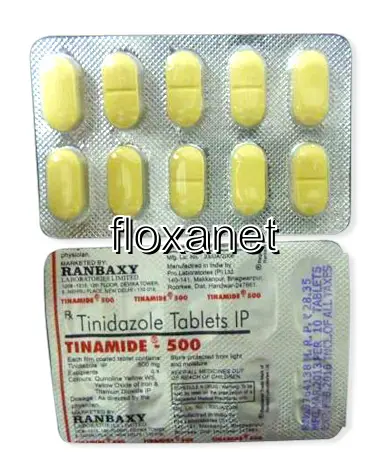
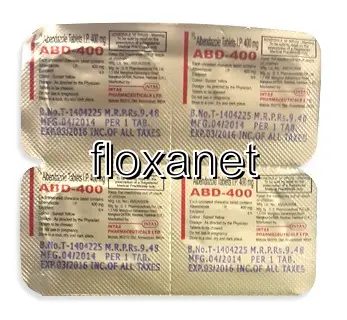
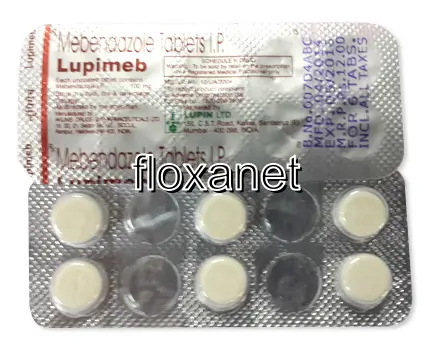
Different classes of antiparasitic agents appear in this category, reflecting varied mechanisms of action and spectrums of activity. Benzimidazoles such as albendazole and mebendazole are commonly used against many intestinal worms, while praziquantel is a standard choice for many tapeworm and fluke infections. Ivermectin belongs to a class active against particular worms and some ectoparasites. Nitroimidazole compounds, including tinidazole, are used for certain protozoal infections. Topical agents and other systemic compounds round out the range, so the assortment includes medicines for oral, topical, and parenteral use.
Antiparasitic drugs work in different ways depending on the target organism and the chemical class. Some interfere with parasite energy metabolism or structural components, others disrupt nerve and muscle function to paralyze parasites, and some damage parasite DNA or inhibit reproductive processes. Because of these different actions, a medication effective for one group of parasites may be ineffective against another, which is why accurate identification of the infecting organism typically influences treatment selection.
Safety considerations are an important part of using these medicines. Side effects vary by drug but can include gastrointestinal upset, headache, dizziness, allergic reactions, and, in some cases, effects on the liver or nervous system. Certain drugs have known interactions with other medicines, or contraindications in situations such as pregnancy or significant liver disease. Regulatory approvals, product labels, and clinical guidelines outline specific precautions and monitoring needs that are relevant when considering a particular medicine.
Consumers looking at antiparasitic options commonly compare the spectrum of activity (which parasites a product targets), the route and duration of administration, the expected side-effect profile, and whether a medicine requires a prescription. Formulation preferences, such as tablets versus topical creams, and practical factors like dosing frequency and total treatment length also influence choices. Reliable diagnosis and information about the likely parasite and treatment alternatives are key factors underlying any decision about which product is appropriate for an individual situation.