📞  — free, 24/7
— free, 24/7 — free, 24/7Medications and aids for treating gout and managing high uric acid levels, including options for acute flare relief (NSAIDs, colchicine), urate-lowering therapies (allopurinol, febuxostat), and supportive products for long-term control and symptom management.
Medications and aids for treating gout and managing high uric acid levels, including options for acute flare relief (NSAIDs, colchicine), urate-lowering therapies (allopurinol, febuxostat), and supportive products for long-term control and symptom management.
Medications in the gout category are used to manage a condition caused by excess uric acid that can form crystals in joints and soft tissues. Treatment approaches fall into two broad goals: relieving the intense pain and inflammation of an acute gout attack, and reducing long‑term uric acid levels to prevent future episodes and complications. This category groups products that play one or both roles, from anti‑inflammatory agents used during flares to urate‑lowering medicines taken regularly.
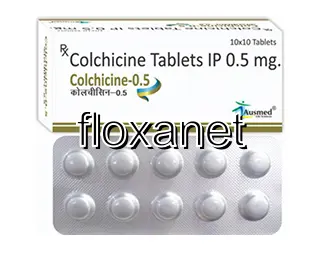
Common situations for using these medicines include short‑term control of painful flares and ongoing therapy to reduce recurrence. Drugs such as colchicine are often associated with relief of acute symptoms when taken early in an attack, whereas xanthine oxidase inhibitors or uricosuric agents are used over weeks to months to lower serum uric acid and reduce the frequency of attacks. Some people receive different medicines at different stages — an agent to shorten a flare and another to manage chronic urate levels.
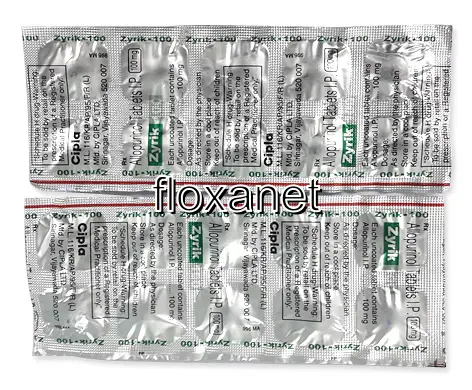
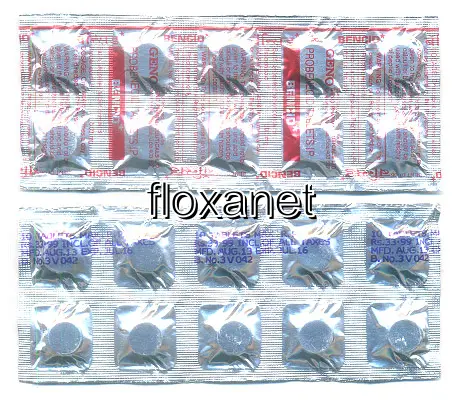
The category contains several pharmacological types. Xanthine oxidase inhibitors, such as allopurinol (often encountered under names like Zyloprim), work by decreasing production of uric acid. Uricosuric agents, for example probenecid (Benemid), increase renal excretion of uric acid. Anti‑inflammatory therapy for acute episodes is represented by colchicine (also marketed as Colcrys) and by other classes not listed here. Formulations are primarily oral tablets, with dosing strategies varying by purpose and individual needs.
Safety considerations are an important part of choosing and using gout medicines. Common adverse effects and the likelihood of interactions differ by drug class: colchicine can cause gastrointestinal symptoms and, at higher exposure, neuromuscular effects; allopurinol is generally well tolerated but can, in rare instances, be associated with severe hypersensitivity reactions that require attention. Kidney function, other ongoing medications and overall health influence which options are appropriate, and some products may require dose adjustment or monitoring.
When comparing options, users typically weigh how quickly a treatment works for relief, whether it addresses acute attacks or long‑term control, dosing frequency, potential side effects, and how a medicine interacts with other therapies they take. Practical features such as tablet strength, the need for laboratory tests during therapy, and whether a medication must be started or adjusted under specialist supervision also influence choices. Ease of adherence and predictability of response are commonly sought attributes.
Availability and regulatory requirements affect access: many gout medicines are prescription products in various jurisdictions, and policies on shipment and dispensing can differ. Product information, including approved indications, contraindications and storage recommendations, is supplied with each medicine; checking that information and ensuring the authenticity and proper handling of a purchased product are typical consumer concerns. Pharmacist or healthcare oversight is commonly part of the treatment pathway for people initiating or changing gout therapy.