📞  — free, 24/7
— free, 24/7 — free, 24/7Products and treatments for urinary tract and bladder health, including supplements, urinary pain and infection relief, probiotics, pH balance aids, and incontinence supports. Information on use, symptoms, and preventive care for recurring urinary issues.
Products and treatments for urinary tract and bladder health, including supplements, urinary pain and infection relief, probiotics, pH balance aids, and incontinence supports. Information on use, symptoms, and preventive care for recurring urinary issues.
Medications in the Urinary Health category are aimed at managing conditions that affect the bladder, urethra and prostate gland, and the symptoms they produce. These products commonly address problems such as difficulty emptying the bladder, unwanted bladder contractions, urinary urgency or leakage, and muscle spasms of the lower urinary tract. The category covers both short-term treatments for acute episodes and longer‑term options intended to control chronic symptoms and improve day‑to‑day comfort and function.
Typical use cases include treatment of overactive bladder symptoms like sudden urge to urinate, urge incontinence and frequent urination, relief of obstructive urinary symptoms related to an enlarged prostate, and reduction of bladder spasms that cause discomfort or leakage. Some medications are used to ease symptoms associated with neurological conditions that affect bladder control, while others provide symptomatic relief for non‑infectious bladder irritation. The intended outcomes are symptom control, reduced episodes of leakage, and fewer interruptions to daily activities and sleep.
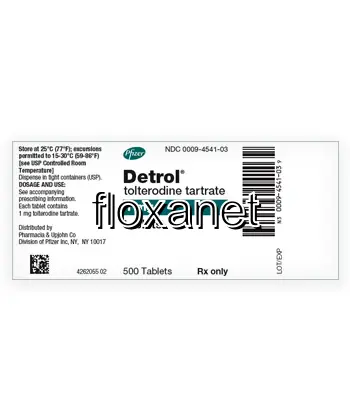
The category contains several classes of drugs with different mechanisms. Antimuscarinic (also called anticholinergic) medications such as tolterodine and oxybutynin are commonly used to reduce involuntary bladder contractions and urinary urgency; these are available in immediate‑release and extended‑release formulations, and some are available as transdermal patches. Selective agents that relax the smooth muscle of the prostate and bladder neck, known as alpha‑adrenergic blockers, are used to improve urine flow in men with prostate enlargement; examples include tamsulosin and alfuzosin. Other options include bladder antispasmodics that target muscle cramping and newer agents with different receptor targets. Product forms range from tablets and extended‑release capsules to patches and topical preparations.
General safety considerations apply across this group of medicines. Side effects vary by drug class but can include dry mouth, constipation, blurred vision, dizziness, and changes in blood pressure; alpha‑blocking agents may cause light‑headedness or fainting when standing. Some medications are not suitable for people with certain medical conditions or who are taking particular other medicines, and interactions can affect effectiveness or safety. Product labeling and official prescribing information specify contraindications, common adverse reactions and monitoring recommendations that are important to review.
When selecting a urinary health medicine, users often weigh practical factors such as whether a product is available only by prescription or can be obtained over the counter, the dosing schedule (once‑daily versus multiple daily doses), formulation preferences (oral tablet, extended‑release capsule or patch), and the side‑effect profile. Effectiveness for a specific symptom pattern and the potential for interactions with other medications or underlying health issues also influence choice. For some people, convenience and tolerability are as important as symptom control.
Information on typical medicines in this area can help set expectations about how treatments are used, but product characteristics differ and individual responses vary. Many therapies that treat bladder overactivity or obstructive urinary symptoms have been in use for years and come in several formulations to suit different needs. Reading product information and official labeling provides detail about indications, dosing forms and reported adverse effects for any specific medicine under consideration.