📞  — free, 24/7
— free, 24/7 — free, 24/7| Package | Price per Dose | Price | |
|---|---|---|---|
| 360 pills | C$1.36 | C$544.30 C$489.87 Free shipping | |
| 180 pills | C$1.46 | C$291.58 C$262.42 | |
| 120 pills | C$1.57 | C$209.50 C$188.55 | |
| 90 pills | C$1.71 | C$170.62 C$153.56 | |
| 60 pills | C$1.91 | C$127.42 C$114.68 | |
| 30 pills | C$2.33 | C$77.74 C$69.97 | |
| 360 pills | C$2.24 | C$894.23 C$804.80 Free shipping | |
| 180 pills | C$2.41 | C$481.66 C$433.50 Free shipping | |
| 120 pills | C$2.60 | C$347.74 C$312.97 Free shipping | |
| 90 pills | C$2.80 | C$280.78 C$252.70 | |
| 60 pills | C$3.07 | C$205.18 C$184.66 | |
| 30 pills | C$3.83 | C$127.42 C$114.68 | |
| 180 pills | C$3.42 | C$684.71 C$616.23 Free shipping | |
| 120 pills | C$3.67 | C$490.30 C$441.27 Free shipping | |
| 90 pills | C$4.00 | C$399.58 C$359.62 Free shipping | |
| 60 pills | C$4.47 | C$298.06 C$268.26 | |
| 30 pills | C$5.44 | C$181.42 C$163.28 | |
| 20 pills | C$5.64 | C$125.26 C$112.73 | |
| 10 pills | C$6.03 | C$66.94 C$60.25 |
Disclaimer: This information is for educational purposes and does not replace professional medical advice. For personalized guidance about Atacand, consult your doctor or pharmacist.
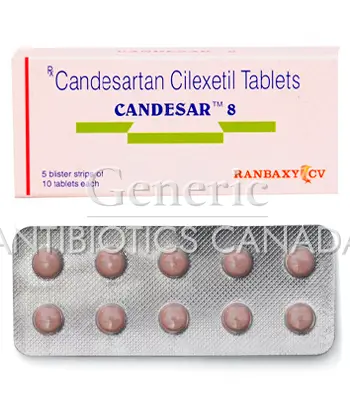
Atacand is the brand name for candesartan cilexetil, a medicine used to treat high blood pressure and certain heart conditions. It belongs to a group of medicines called angiotensin II receptor blockers (ARBs). These medicines help to relax blood vessels so blood can flow more easily.
When taken as prescribed, Atacand works by blocking the activity of a natural chemical in your body that can constrict blood vessels. By limiting this effect, the medicine helps lower blood pressure and can reduce the effort required by the heart to pump blood. This may help prevent symptoms such as dizziness or fatigue related to high blood pressure or heart failure.
In Canada, Atacand is typically prescribed by a clinician and may require a prescription depending on local rules. The exact dose and duration of treatment are decided by your healthcare professional based on your condition, response to therapy, and any other medical factors. Do not take Atacand unless a qualified professional has prescribed it for you.
Atacand is available as tablets in several strengths. Commonly, tablets are taken by mouth with water, and they may be prescribed alone or with other medicines for blood pressure or heart disease. Storage should be at room temperature, away from moisture, heat, and direct light, and kept out of reach of children.
The primary use of Atacand is to treat essential hypertension (high blood pressure). Lowering blood pressure helps reduce the risk of stroke, heart attack, and kidney problems over time. Your clinician may choose Atacand as part of a broader plan that includes diet, exercise, and other medications.
Another important use is in certain heart conditions, such as heart failure, where Atacand can help reduce the workload on the heart and may improve symptoms like shortness of breath or fatigue. In some patients, ARB medicines are used to protect the kidneys or other organs when there is a risk of damage from long-standing high blood pressure or diabetes. The exact reasons for starting Atacand will depend on your health profile and the clinician’s assessment.
Atacand can be prescribed alone or together with other treatments for high blood pressure or heart problems. Always follow the plan given by your healthcare professional. Do not adjust the treatment without their guidance, even if you feel well or if you think your blood pressure has improved.
People who have specific kidney or liver conditions may be started on Atacand with careful monitoring. Your clinician will review your current medicines and health history to determine whether Atacand is appropriate for you. If you have questions about why Atacand has been chosen for you, ask your healthcare professional to explain the plan in plain terms.
Atacand belongs to the angiotensin receptor blocker (ARB) class. It blocks the receptor that responds to a hormone called angiotensin II. When this receptor is blocked, blood vessels relax and widen, which lowers blood pressure and reduces the strain on the heart.
By reducing the activity of the renin–angiotensin system, Atacand also helps reduce the release of certain substances that can cause the body to retain salt and water. This can help prevent blood pressure from rising too high and can support better blood flow to vital organs.
The exact effect of Atacand depends on the dose and on how your body responds. It may take several days to weeks to notice the full benefits for blood pressure, and improvements in heart function may occur gradually over time. Your clinician will monitor your response with blood pressure measurements and sometimes blood tests.
As with other ARBs, Atacand is not a cure for hypertension or heart disease, but it is a tool to manage these conditions. Ongoing monitoring by a healthcare professional is essential to ensure the medicine continues to be safe and effective for you.
Take Atacand exactly as prescribed by your clinician. Do not change the dose or the timing without talking to a healthcare professional first. The way you take the medicine may depend on your other health conditions and other medicines you are taking.
Take Atacand by mouth with a full glass of water. It can be taken with or without food, but try to take it at the same time each day to help you remember. Do not crush, chew, or split tablets unless your doctor has told you to do so.
If you miss a dose, take it as soon as you remember unless it is almost time for your next dose. In that case, skip the missed dose and resume your usual schedule. Do not double the dose to make up for a missed one unless your clinician tells you to do so.
Your clinician may adjust your dose over time based on your blood pressure readings and any side effects you experience. Attend all follow-up appointments and have any recommended blood tests completed. If you have kidney or liver problems, or if you are elderly, you may need closer monitoring.
Do not take Atacand if you are allergic to candesartan or similar medicines in this class (ARBs), or to any ingredients in the product. Allergic reactions can be serious and require urgent medical attention.
Pregnant people should not use Atacand, as it may harm the developing fetus. If you are pregnant or planning to become pregnant, discuss alternatives with your healthcare professional. Breastfeeding is another scenario where a clinician will weigh benefits and risks; Atacand may pass into breast milk, so a different treatment might be recommended.
ARBs like Atacand are usually not recommended for people with bilateral renal artery stenosis or a solitary functioning kidney because of potential kidney injury. If you have significant kidney problems, talk to your clinician about risks and benefits before starting Atacand.
Do not take Atacand with certain other medicines without medical advice, such as aliskiren in people with diabetes or kidney impairment. If you have liver disease, or if you are on medicines that can affect potassium levels, your clinician may require extra monitoring or adjustments to your plan.
Before starting Atacand, tell your clinician about all medicines you take, including non-prescription drugs, vitamins, and herbal supplements. Some medicines can interact with Atacand and affect how well it works or increase side effects.
Be aware of the risk of low blood pressure (hypotension). Dizziness or fainting can occur, especially after the first dose or after dose increases, or if you are dehydrated. Stand up slowly when moving from lying down or sitting to reduce the risk of dizziness.
Hyperkalemia, or high potassium in the blood, is a potential concern with Atacand. Symptoms of high potassium include muscle weakness and abnormal heart rhythms. Your clinician may monitor potassium levels with blood tests, especially if you are also taking supplements or medicines that raise potassium.
Kidney and liver function should be monitored in some people taking Atacand. If you notice unusual swelling, changes in urination, yellowing skin or eyes, severe fatigue, or persistent nausea, contact a healthcare professional. If you have trouble with salt intake or dehydration, inform your clinician as adjustments may be needed.
All medicines can cause side effects in some people. The following lists describe commonly reported effects and those that are less common or more serious. Not everyone will experience side effects, and most are manageable with proper medical supervision.
Common side effects include dizziness, tiredness, or mild headache. Some people may notice a feeling of lightheadedness as blood pressure falls. These effects often lessen with time as your body adjusts to the medicine.
Less common side effects can include nausea, back pain, or upper respiratory symptoms such as a sore throat or runny nose. If these symptoms persist or worsen, tell your clinician.
Serious but rare side effects include severe allergic reactions, swelling of the face or throat (angioedema), and signs of high potassium or kidney problems. Seek urgent medical help if you experience symptoms such as difficulty breathing, swelling of the lips or tongue, or severe dizziness. If you notice persistent side effects or any new symptoms, contact your healthcare professional promptly.
Some people may experience changes in liver function or electrolyte balance. Routine monitoring through blood tests may be recommended by your clinician to ensure safety while you are taking Atacand.
Tell your clinician about all medicines you take, including over-the-counter products and supplements. Some medicines can interact with Atacand and affect your blood pressure, kidney function, or electrolyte levels.
Common interactions include other medicines that lower blood pressure, medicines that raise or lower potassium, and certain kidney or liver drugs. Your clinician may adjust doses or monitor you more closely if these medicines are used together.
Non-prescription pain relievers called NSAIDs can affect kidney function and blood pressure when used with Atacand. If you regularly use NSAIDs, discuss with your clinician whether any adjustments are needed.
In some situations, combining Atacand with aliskiren or with ACE inhibitors can increase the risk of adverse effects. Your clinician will determine whether this combination is appropriate for you. Always follow professional medical advice and do not mix agents without guidance.
Atacand should not be used during pregnancy. If you become pregnant while taking this medicine, contact a healthcare professional immediately to discuss options. Continuing the medication during pregnancy can harm the developing fetus.
Breastfeeding while taking Atacand is generally not recommended unless advised by a clinician who can assess the balance of benefits and risks for the baby and mother. If you are planning to breastfeed, discuss alternatives or adjustments with your healthcare professional.
Discuss contraception and pregnancy planning with your clinician if you are of childbearing potential and taking Atacand. Regular medical supervision is important to ensure both safety and effectiveness of the treatment.
If you are currently pregnant or considering pregnancy, do not stop Atacand suddenly without medical advice. A gradual plan under professional supervision may be needed, depending on your condition and treatment goals.
Blood pressure reduction can begin within days of starting therapy, but the full effect may take several weeks. In some people, the most noticeable change occurs gradually as the body adjusts to the medicine. Regular monitoring by a clinician helps determine how well the treatment is working.
If you miss a dose, take it as soon as you remember unless it is almost time for your next dose. If it is near the time for your next dose, skip the missed dose and resume your regular schedule. Do not take extra medicine to make up for the missed dose without talking to a healthcare professional.
Taking Atacand with other medicines for high blood pressure is common in some people. Your clinician will decide if this combination is appropriate for you. If you take multiple blood pressure pills, you may be more likely to experience dizziness or lightheadedness, so tell your clinician about how you feel after starting treatment.
Dizziness can occur when starting Atacand or adjusting the dose. Sit or lie down if you feel faint and rise slowly when you stand. If dizziness persists or is severe, contact a healthcare professional for advice.
Alcohol can lower blood pressure and may increase dizziness in some people. If you choose to drink, do so with caution and discuss any concerns with your clinician, especially if you notice more dizziness or fainting after drinking.
Most people can drive or use machines if they feel well on Atacand. However, if you experience dizziness or fainting, avoid driving until you know how the medicine affects you. Do not engage in activities that require alertness if you are not stable.
Seek urgent medical help if you experience symptoms such as swelling of the face, lips, tongue, or throat, severe rash, or trouble breathing. An allergic reaction to Atacand requires immediate attention.
In some people, Atacand can affect kidney function or electrolyte balance. Regular monitoring by a clinician, including blood tests, helps ensure safety. Inform your clinician if you notice changes in urination, swelling, or sudden weight gain.
Illness with dehydration can affect blood pressure and kidney function. Contact your clinician for guidance if you have vomiting, diarrhea, or reduced fluid intake. Do not stop the medicine abruptly without medical advice, especially if your condition is serious.
Atacand is used in certain pediatric cases only under the supervision of a healthcare professional. The safety and effectiveness in children depend on the condition being treated and the child’s overall health. Do not give this medicine to a child unless a clinician prescribes it.
Provide a complete list of all medicines you take, including OTC drugs, vitamins, and supplements. Mention any kidney or liver problems, pregnancy plans, or breastfeeding intentions. Also share any history of allergic reactions, fainting episodes, or electrolyte imbalances.
Inform your surgeon or anesthesiologist that you are taking Atacand. Some medicines given during surgery can interact with ARBs, and your care team may adjust your treatment plan accordingly to avoid complications.
Your clinician can discuss alternative treatments if Atacand is not suitable for you. There are other ARBs and different classes of blood pressure medicines that may be considered depending on your condition and tolerance. Do not switch medicines without professional guidance.
The information above draws from standard medication references used in Canada for candesartan cilexetil (Atacand) and similar ARB medicines. For the most accurate and up-to-date details, consult the official product label and speak with a healthcare professional.
Possible sources typically consulted include the product monograph for candesartan cilexetil, Health Canada drug information databases, and the patient information leaflets supplied with the medicine. If you have any doubt about a detail, check the official leaflet or consult your doctor or pharmacist for confirmation.
14–21 days. Free from C$280.12 .
5–9 days. C$42.02
−10% when paying with cryptocurrency.
−10% on all repeat orders.
All orders are packed in neutral, unbranded boxes with no product name on the outside.